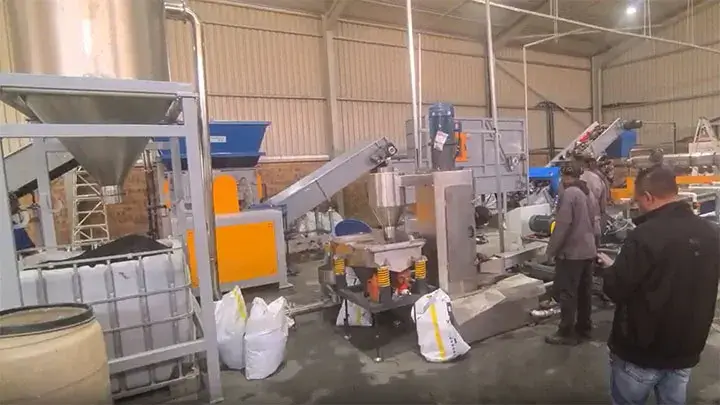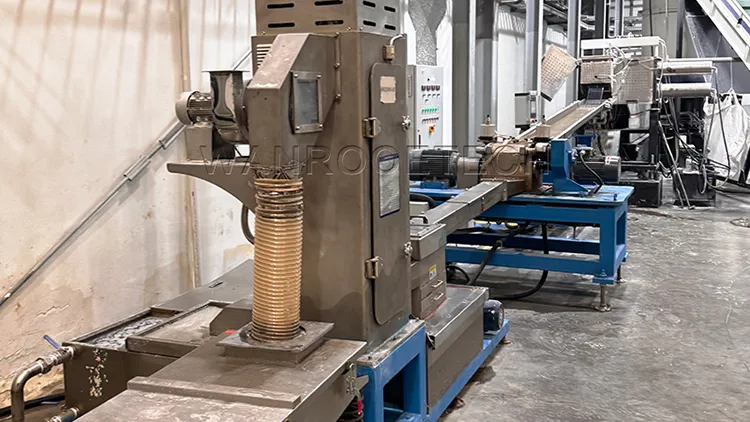
Prices for CPP/BOPP Plastic Film Recycling Production Line
For production lines with equivalent capacity, the estimated price starts at $30,000 for a line processing relatively clean and consistent waste film; $45,000 for a line processing moderately contaminated film; and $50,000 for a line processing printed film or raw materials with high levels of volatile substances and impurities.
Project Background
Client: Colombian Plastic Recycling Plant
Project: CPP/BOPP Plastic Film Recycling Line
Raw Material: CPP/BOPP Plastic Film Waste
Target Production Capacity: 400–500 kg/h
Client-Provided Solution: CPP/BOPP Plastic Film Waste → Belt Conveyor → Metal Detector → Film Compactor → Primary Extruder → Hydraulic Screen Changer → Secondary Extruder → Hydraulic Screen Changer → Pelletizing System → Centrifugal Dewatering Machine → Pellet Storage Hopper → Finished Product Packaging
Features of the System: Compacted feeding, two-stage filtration, and water-ring granulation
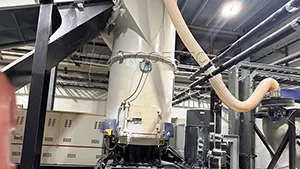
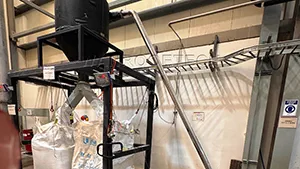
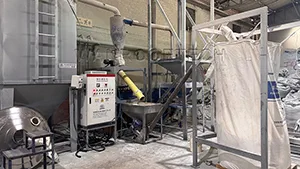
Equipment List
- Belt Conveyor with Metal Detector
- Film Compactor
- Primary Extruder
- Hydraulic Screen Changer
- Secondary Extruder
- Pelletizing System
- Centrifugal Dewatering Machine
- Pellet Storage Hopper
Issues with the Client’s Proposed Solution
- Severely contaminated film, film containing water, or film mixed with paper or different types of plastic; the lack of a raw material pretreatment process may affect product quality.
- Metal detection cannot replace all protective measures; small metal particles, non-magnetic metals, or detection blind spots may result in foreign objects entering the equipment.
- Improper control of compactor parameters may result in overheating, sticking, unstable feeding, or increased energy consumption.
- Two-stage extrusion increases investment and energy consumption, leading to higher equipment costs, space requirements, and maintenance and operating expenses.
- Two-stage hydraulic screen changing increases pressure loss, raising melt pressure and temperature; in severe cases, this can reduce production capacity.
- The absence of a degassing process may prevent the complete removal of volatile residues and odors from printed film.