Background Introduction
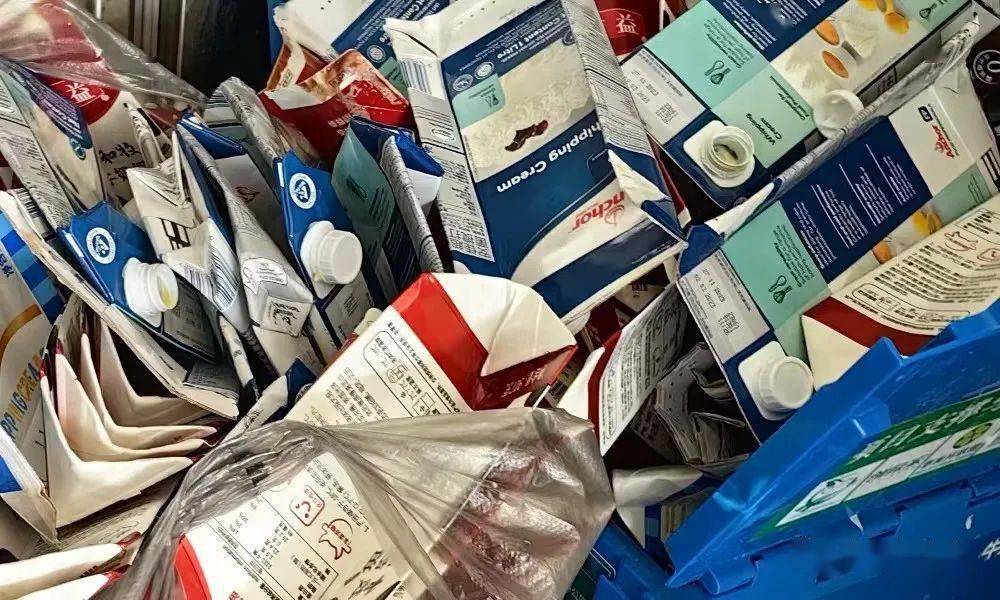
Milk cartons are typically made of composite materials such as paper, plastic, and aluminum foil, all of which have
high recycling value.
By recycling used milk cartons, these materials can be reused, thereby saving raw material resources and reducing the
demand for new resources.

Recovery Value
Waste milk cartons have significant value in resource reuse. The paper part can be converted into pulp for
papermaking. The plastic part can be made into plastic pellets for manufacturing new plastic products. The aluminum
foil part can be used to manufacture aluminum foil products or other metal products.
This recycling process not only saves raw materials, reduces energy consumption and pollutant emissions, but also
promotes the circular use of resources.
Technological Process
Crushing
Crush the collected waste milk cartons into smaller pieces for subsequent processing.
Cleaning
Clean the broken milk carton fragments to remove surface dirt, residue, etc., ensuring a smooth separation process.
Separation
Paper-plastic separation: Use paper-plastic separation mechanical equipment to separate the paper
and plastic parts in the milk carton.
Aluminum-plastic separation: For milk cartons containing aluminum foil, it is necessary to further
separate the aluminum foil from the plastic.
Reprocessing
Pulp processing: Process the separated paper parts into pulp, which can be used to produce new paper
or paper products.
Plastic granulation: Melt and granulate the separated plastic parts to produce plastic pellets,
which can be used to produce new plastic products.
Aluminum foil recycling: Recycle the separated aluminum foil, which can be used to produce aluminum
foil products or other metal products.

Advantages of Recycling Machinery
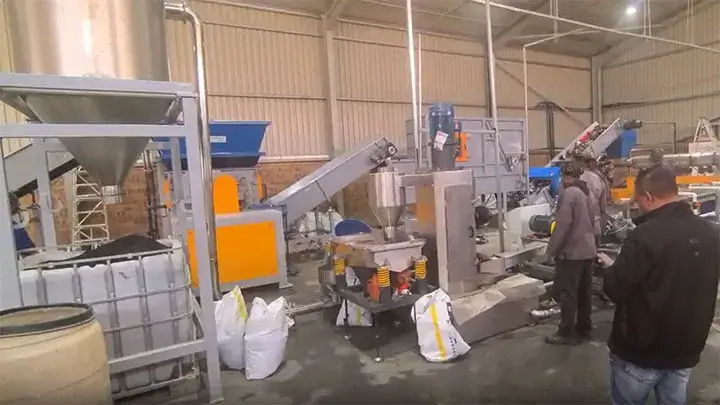
Recycling machinery integrates intelligent technology to achieve efficient recycling of waste materials. Its
automated control system supports remote monitoring and dynamic adjustment to ensure stable operation.
The core electrostatic sorting technology accurately separates different materials and produces industrial-grade raw
materials that can be directly sold.
The equipment adopts a fully enclosed design and is equipped with a multi-level environmental protection treatment
system, achieving zero pollution emissions throughout the process while significantly reducing energy consumption
and noise.
Innovative separation technology can efficiently dissociate composite materials, making it suitable for various
materials such as aluminum-plastic packaging and electronic waste, with daily processing capacity covering multiple
scale requirements.
This system not only significantly improves recycling efficiency and reduces natural resource consumption, but also
lowers maintenance costs through modular design. It provides standardized solutions for the circular economy and
helps achieve green manufacturing and carbon neutrality goals.
Get a Professional Answer for Your Needs
To better provide you with a professional solution, please describe your parameters or technical requirements (such
as processing materials, output size, capacity, etc.) when sending an inquiry. We will reply to you as soon as
possible.