HDPE plastic, fully known as High-Density Polyethylene, belongs to the polyolefin family and is a highly crystalline variant of polyethylene (PE). It corresponds to recycling code 02.
Commonly called low-pressure polyethylene or « hard soft plastic », a typical trade name is HDPE 5000S. Unlike low-density polyethylene (LDPE), which is soft and transparent, HDPE has a linear molecular chain with almost no branching. This gives it a higher density (0.941–0.965 g/cm³), greater stiffness, and excellent chemical resistance. In material classification, HDPE is a typical thermoplastic general-purpose plastic.
Applications of HDPE
The value of HDPE comes from its high strength, impermeability, low-temperature resistance (down to -40°C), and resistance to acids and alkalis. The four main application areas are:
1.Blow Molding (Largest Market)
Hollow containers: shampoo bottles, shower gel bottles, opaque white milk bottles, pesticide bottles
Industrial packaging: 220L open-head blue drums, chemical drums.
2. Injection Molding
Logistics crates, pallets, trash bins; Children’s toys, outdoor plastic seats.
3.Pipes and Sheets
HDPE water supply pipes, gas pipes; Corrugated drainage pipes, geomembranes.
4.Film Applications
Vest bags, garbage bags (crisp feel with a rustling sound, distinct from LDPE films).
Market Value of HDPE
Global HDPE consumption exceeds 55 million tonnes annually. Because it is non-toxic, odorless, and meets food-contact standards, it holds a strong position in pharmaceutical and food packaging. Premium grades such as bimodal HDPE and slow crack growth resistant HDPE command high unit prices in oil & gas pipelines and marine engineering. Driven by “plastic instead of steel” and circular economy trends, the HDPE market is expected to grow at approximately 5.2% per year through 2030.
Recycling Value and Regeneration Technology of HDPE
HDPE is the second most valuable material in plastic recycling (after PET), offering significant environmental and economic benefits.
Recycling Advantages
1.HDPE containers are usually single-material and come in natural, white, or blue colors – easy to sort
2.Labels and caps are mostly mechanically separable
3.Recycled rHDPE shows only minor loss in mechanical properties
Typical Recycling Process
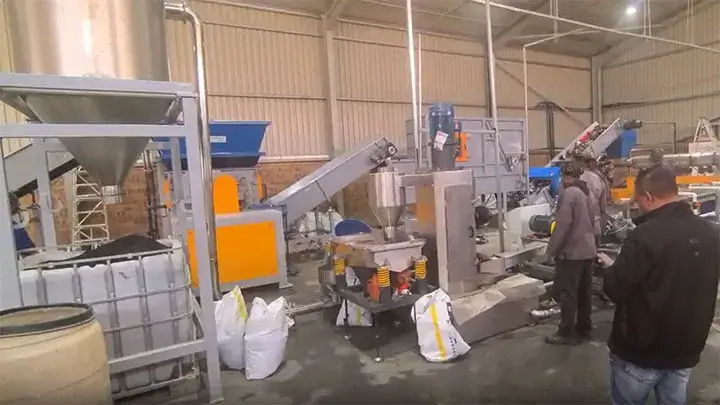
Post-consumer HDPE (milk bottles, drums) → Shredding → Hot washing (removes label glue, oils) → Density separation (HDPE density >1, sinks) → Drying → Pelletizing
Economic & Environmental Benefits
1.In Europe/US, recycled HDPE pellets are priced 25–30% lower than virgin HDPE, yet still reach $800–1,200 per tonne
2.Recycling 1 tonne of HDPE saves 1.2 tonnes of crude oil, with significant carbon reduction
3.Closed-loop recycling projects (e.g., milk bottle to milk bottle) are expanding; the main technical challenge is removing migrated contaminants