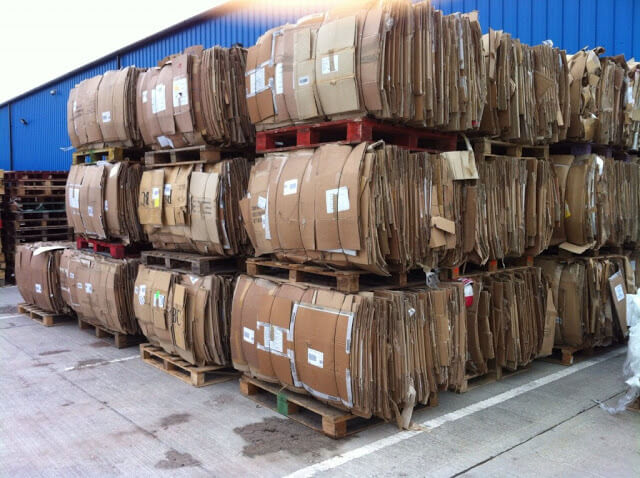
The Importance of Cardboard Recycling
Cardboard is one of the most commonly generated waste products in virtually any business. In fact, the EPA estimates
that 24.1 million tons of corrugated cardboard are discarded each year.
Fortunately, the vast majority of that cardboard – as much as 91 percent – is recycled. Thus, cardboard is one of the
easiest materials in the world to reuse.
Cardboard recycling is done as a way of keeping the environment clean and green. Here are 10 tips for recycling
cardboard in the most efficient way possible.
10 Tips for Efficient Cardboard Recycling
1. Keep It Dry
Once cardboard gets wet or saturated, it becomes extremely difficult – if not altogether impossible – to recycle. Try
to keep it as dry as possible.
2. Break It Down
Flatten cardboard boxes as much as you can. This will conserve space in recycling containers and make them easier to
transport. Failing to break down boxes can also present complications for cardboard recycling machinery.
3. Remove Plastic and Other Contaminants
Be sure to remove plastic, polystyrene, and other contaminants from your cardboard before recycling. While you can
remove tape or labels, they can be removed quite easily at recycling facilities.
4. Establish a System
Have a system in place to collect cardboard quickly and efficiently before it becomes trash.
5. Store Responsibly
Once collected, place all cardboard waste in a closed-top recycling bin, and store these bins in a clean, dry place.
6. Store Strategically
Any cardboard that contains grease or other contaminants cannot be recycled. So when your boss buys pizza for the
staff, avoid combining those greasy boxes with dry, non-contaminated cardboard.
7. Avoid Food Contamination
Food is one of the worst contaminants in the cardboard recycling process, especially when that food involves oil.
When cardboard is recycled, it is mixed with water – and as we all learned in science class, oil and water don’t
mix.
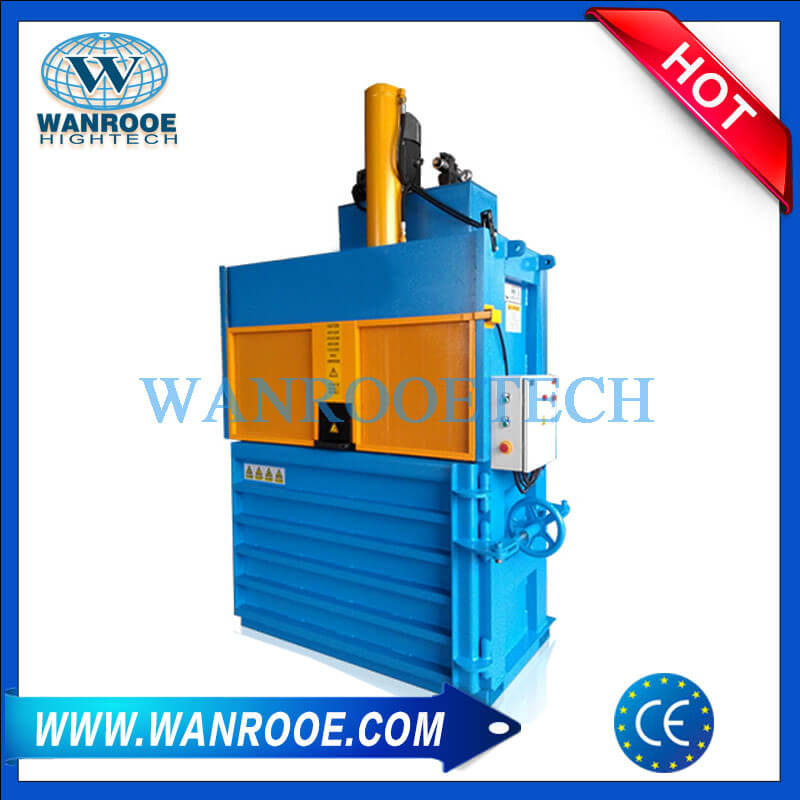
8. Use a Cardboard Baler
A baler is a cost-effective way to compact large quantities of cardboard and can be cheaper and more environmentally
friendly than a traditional dumpster.
9. Use Cardboard Boxes for Transport
If you have other recyclables – newspapers, glass, plastic, etc. – use cardboard boxes to transport them to the
nearest drop-off center. Then you can recycle the boxes (assuming you keep them dry and flatten them).
10. Take It Outside
Not all cardboard has to be recycled in the traditional sense. Cardboard can serve in a variety of gardening and
composting capacities. Talk to those responsible for your office landscaping and offer them excess cardboard to use
as mulch, or simply donate it to a compost facility.
Get Professional Help for Your Cardboard Recycling Needs
These are just some of the many ways to recycle cardboard, and WANROOE MACHINERY can provide you with a plethora of
alternatives. Regardless of how much cardboard waste you produce, we can outline a thorough yet cost-effective plan
to handle all of your cardboard needs.
Get a Professional Answer for Your Needs
To better provide you with a professional solution, please describe your parameters or technical requirements (such
as processing materials, output size, capacity, etc.) when sending an inquiry. We will reply to you as soon as
possible.