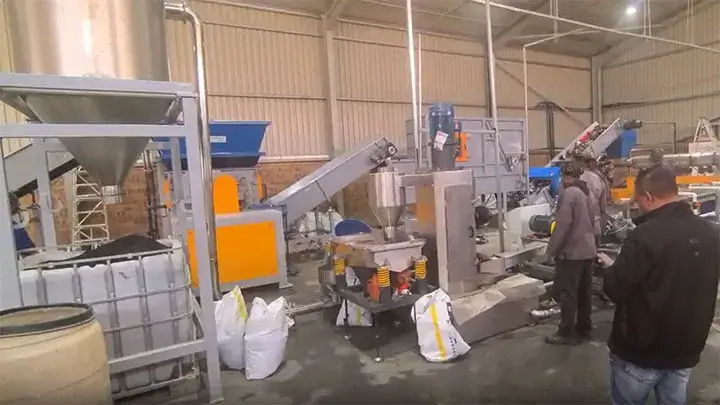
Coaxial Cable Recycling
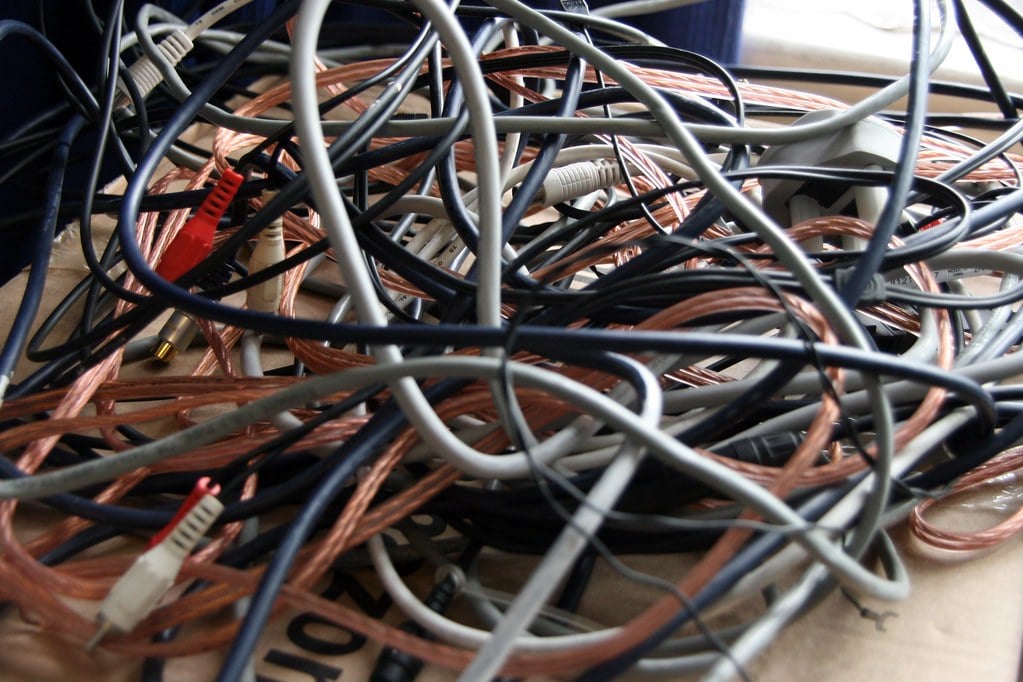
Coaxial cable is a type of wire and signal transmission line composed of four layers of materials. The innermost layer is a conductive copper wire. Outside the wire is a layer of plastic serving as both an insulator and a dielectric. Over the insulator is a thin layer of mesh conductor (typically copper or alloy). The outermost layer is an insulating material forming the outer jacket.
The working principle of coaxial cable is based on electromagnetic induction and electromagnetic wave transmission, enabling efficient transmission of both analog and digital signals.
Applications
Coaxial cables are widely used in many fields, including cable television networks, television broadcast transmission, wireless communication base stations, security monitoring systems, and data communication networks.
In cable television networks, coaxial cables transmit television signals, providing high-definition, high-quality television programs, as well as high-speed internet and telephone communication services.
In wireless communication base stations, coaxial cables transmit signals from the control room to the antenna tower. Additionally, the shielding structure of coaxial cable effectively prevents interference from external signals, ensuring clear signal transmission.
How to Recycle Coaxial Cable
1. Collection and Classification
Collect waste coaxial cables and classify them according to cable specifications, models, and usage conditions.
2. Cleaning
Clean the cables to remove surface oil, dirt, and other impurities.
3. Crushing
Use a crusher to break cables into smaller pieces and particles.
4. Magnetic Separation
Use a magnetic separator to separate magnetic substances (such as iron) from the crushed cable particles.
5. Gravity Separation
Based on density differences of the materials, use gravity separation equipment to separate materials of different densities. This helps further separate metallic substances such as copper and aluminum.
6. Smelting
Smelt the cleaned metal material to obtain pure metal raw materials.
The Value of Recycling Coaxial Cable
Coaxial cables are mainly composed of metals (such as copper and aluminum) and insulating materials. Recycling these cables allows for the reuse of metal resources, effectively reducing the need to mine new metal ores, thereby conserving natural resources and energy.
This recycling model aligns with the concept of sustainable development and helps reduce pressure on the environment.
Get a Professional Answer for Your Needs
To better provide you with a professional solution, please describe your parameters or technical requirements (such as processing materials, output size, capacity, etc.) when sending an inquiry. We will reply to you as soon as possible.