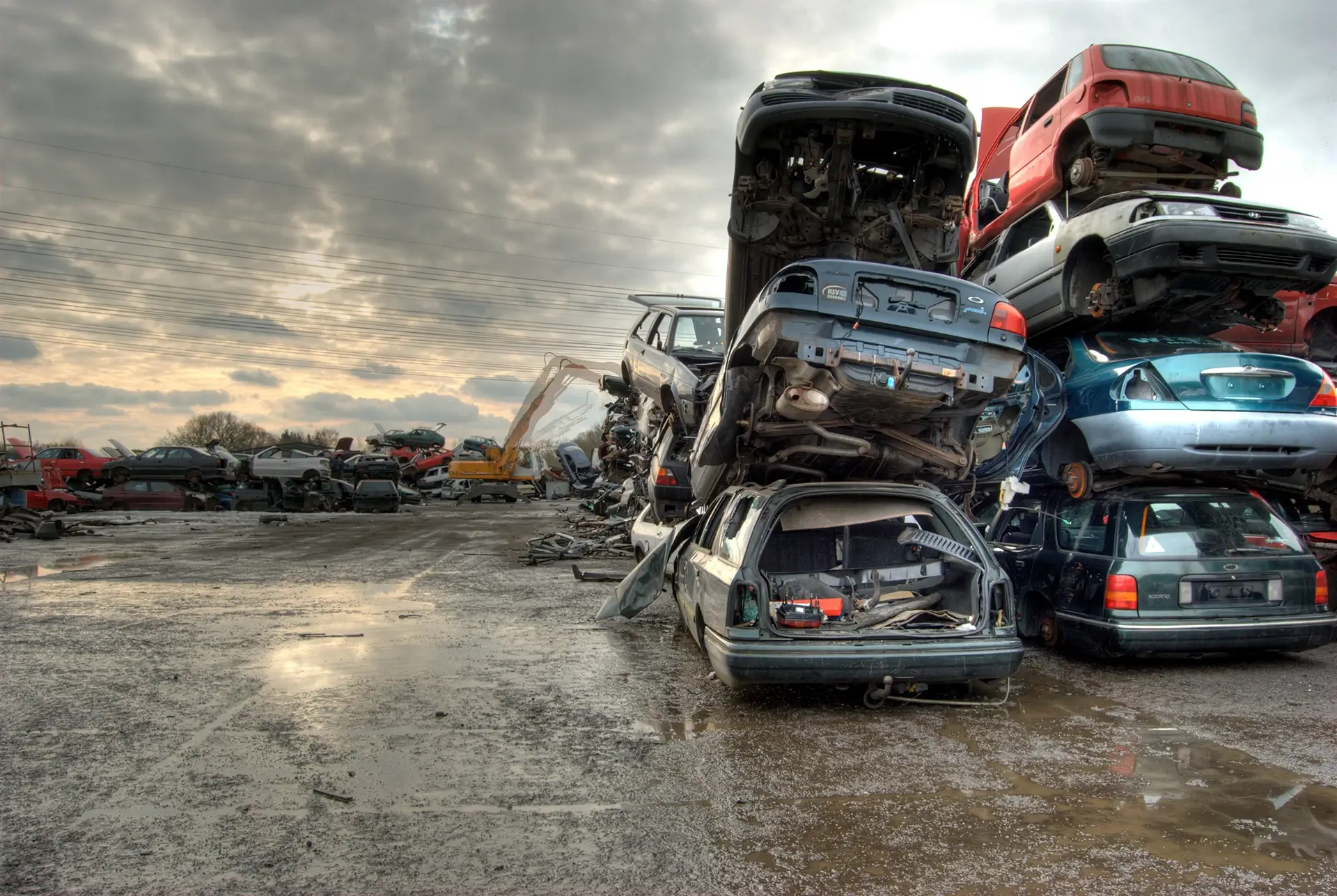
Estimated scrappage volumes for 2026: China: 12–15 million vehicles, driven by the continuation of trade-in policies and the fact that vehicles sold during the 2008–2010 sales peak are entering their scrappage cycle. Europe: approximately 25 million vehicles, driven by stricter carbon emission regulations and the EU’s 2035 ban on the sale of internal combustion engine vehicles, which is forcing the phase-out of older vehicles. North America: approximately 18 million vehicles, driven by an aging vehicle fleet and the acceleration of the transition to electric vehicles. India: Approximately 800,000 vehicles (additional growth), driven by the Green Tax policy mandating the scrapping of vehicles over 15 years old. Other regions: Approximately 35 million vehicles, driven by natural fleet renewal in markets such as Japan, South Korea, and Southeast Asia.
Global End-of-Life Vehicle Recycling Market Size: Approximately $2.27 billion in 2022, projected to reach $4.92 billion by 2029, with a compound annual growth rate (CAGR) of 11.7%.
A modern passenger car consists of approximately 70% steel, 10% non-ferrous metals, 10–15% plastics and polymers, and 3–5% glass.Remanufactured parts: Three-way Catalytic Converters, Engines, Transmissions, Power Batteries, etc. Mid-margin components: aluminum alloy wheels, in-vehicle electronics, airbag systems, batteries, tires, premium audio systems, headlight assemblies, leather seats, etc. Through professional recycling processes, these materials can be effectively recovered and reintroduced into industrial production.
Types of End-of-Life Vehicle Recycling Solutions: Conventional Crushing and Recovery
1. Conventional Crushing and Recovery
This is a basic, low-efficiency method where the entire vehicle is crushed and then sorted, mainly to recover ferrous scrap. High-value components are often lost, resulting in significant material waste and low economic returns.
2. Component Remanufacturing
This approach focuses on removing, inspecting, and remanufacturing reusable parts such as engines, transmissions, and steering gears. After professional remanufacturing, these components can achieve performance levels equivalent to new parts and be sold into the automotive aftermarket. For example, a used transmission sold as scrap metal may be worth only a small amount, but after remanufacturing its value can increase several times.
3. Fine Grading Closed-Loop Recycling
This is the most advanced and recommended solution today. It combines disassembly, sorting, and resource recovery into a systematic closed loop. Materials are classified into three grades:
| Remanufacturable parts | Engine, transmission, steering system, front and rear axles, chassis, body panels, lighting system, electrical and electronic systems, interior components, mechanical parts, chassis components, power battery, drive motor, etc. |
| Hazardous waste | Used fuel, used engine oil, used transmission fluid/gear oil, used brake fluid, used antifreeze/coolant, used hydraulic oil, used power steering fluid, used shock absorber fluid, etc. |
| Recyclable materials | Scrap metal, plastic parts, rubber tires, glass, foam, etc. |
Remanufacturable parts
Engine, transmission, steering system, front and rear axles, chassis, body panels, lighting system, electrical and electronic systems, interior components, mechanical parts, chassis components, power battery, drive motor, etc.
Hazardous waste
Used fuel, used engine oil, used transmission fluid/gear oil, used brake fluid, used antifreeze/coolant, used hydraulic oil, used power steering fluid, used shock absorber fluid, etc.
Recyclable materials
Scrap metal, plastic parts, rubber tires, glass, foam, etc.
End-of-Life Vehicle Dismantling Process: Pre-dismantling, Formal Dismantling, Storage and Disposal
Pre-dismantling
- Remove the battery (including power batteries from new energy vehicles)
- Handle airbags: detonate directly or remove and then detonate
- Drain waste fluids: Use specialized tools on the pre-processing platform to drain and collect waste fluids from the vehicle (engine oil, coolant, brake fluid, etc.), with a drainage rate of no less than 90%
- Recover refrigerant: Use specialized equipment to recover refrigerant from the vehicle’s air conditioning system
- Remove the liquefied petroleum gas (LPG) tank
Official Disassembly
- Fuel tank, oil filter
- Glass
- Components containing toxic substances such as lead, mercury, cadmium, and hexavalent chromium
- Catalytic converter, muffler, steering lock, backup sensor, electronic control module
- Wheels and tires
- Components containing non-ferrous metals such as copper, aluminum, and magnesium
- Large plastic parts (bumpers, dashboards, fluid reservoirs, etc.)
- Rubber products
- Other assemblies and components
Disposal
New Energy Vehicles: Power batteries must be sold to the manufacturer’s recycling collection points or to qualified comprehensive utilization enterprises
Disposal of major assemblies: Those suitable for remanufacturing may be sold to remanufacturing companies; those unsuitable should be sold as scrap metal to smelting companies
Management of reusable parts: Parts that meet standards and are suitable for continued use should be sold after being labeled as “reusable parts from end-of-life vehicles”
Hazardous waste: Waste oils, exhaust aftertreatment devices, power batteries, and other items must be handed over to qualified entities for disposal