CPP Film
Places greater emphasis on flexibility and heat-sealability; commonly used for inner packaging layers and sealing layers.
BOPP Film
Places greater emphasis on rigidity, strength, gloss, and printability; commonly used for packaging outer layers, printed films, and labels.
CPP vs BOPP Film
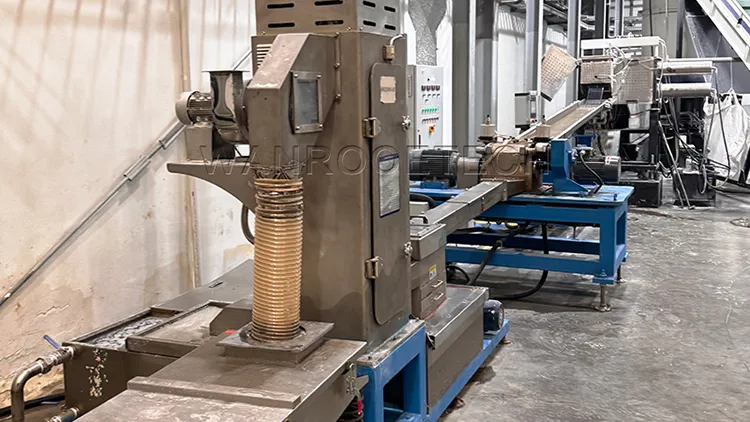
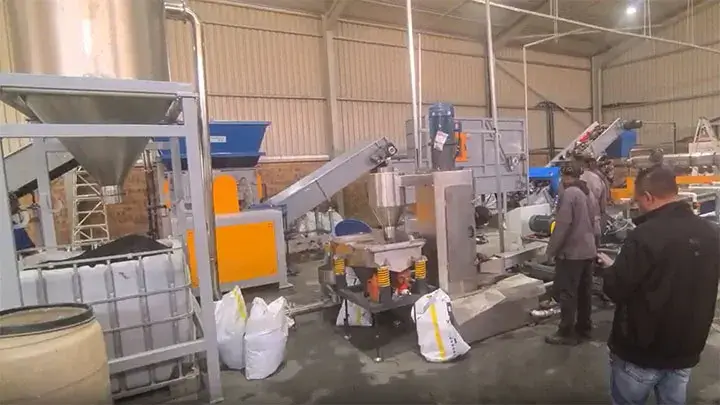
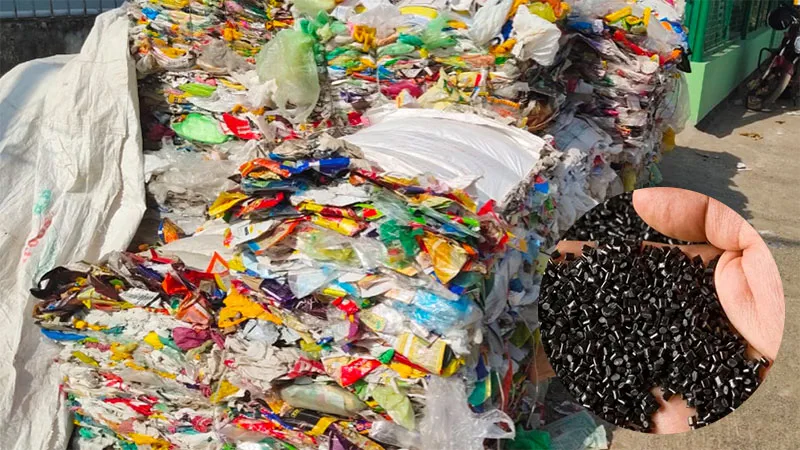
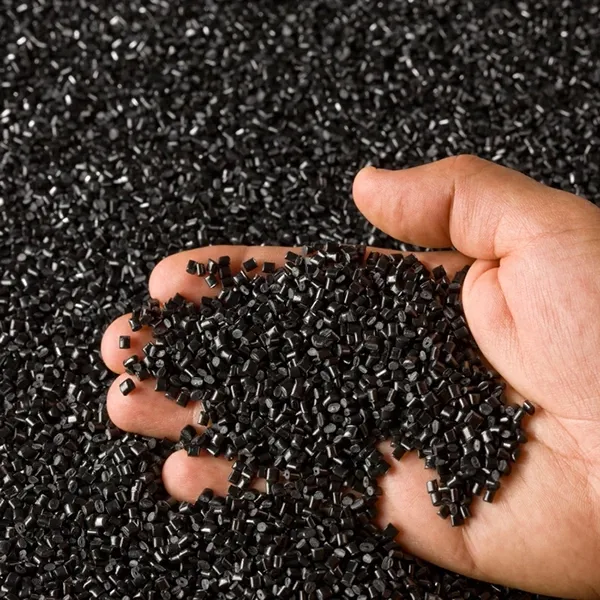
For recycling and pelletizing: Both types are suitable for PP recycling processes; however, equipment configuration should be based primarily on the actual composition of the waste film, degree of contamination, moisture content, target production capacity, and finished product quality—not solely on whether the film is labeled as CPP or BOPP.
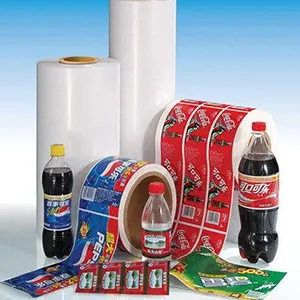
Typical Applications of CPP Film
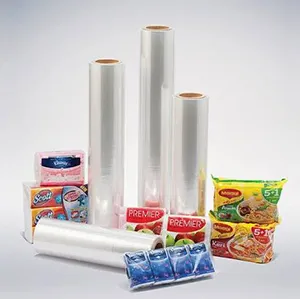
- Heat-sealable inner layers for food packaging bags, such as those used for snacks, candy, and other food products.
- The sealing layer in flexible packaging structures such as BOPP/CPP composites.
- Certain high-temperature retort packaging and hot-fill packaging.
- Packaging for textiles, apparel, and other lightweight products.
For example, in common BOPP/CPP composite packaging, BOPP primarily provides printability, stiffness, and appearance, while CPP primarily provides heat-sealability and sealing performance.
Typical Applications of BOPP Film
- Outer packaging for foods such as potato chips, cookies, and candy.
- Multi-item product bundles and packaging for daily necessities.
- Labels, adhesive tape backing, and stationery films.
- Printed laminates, metallized films, and certain high-barrier packaging.
BOPP is available in both standard non-heat-sealable grades and specially designed heat-sealable grades; therefore, not all BOPP films can be classified as non-heat-sealable.
The Difference Between CPP Film and BOPP Film
| Comparison Criteria | CPP Film | BOPP Film |
| Name | Cast Polypropylene Film | Biaxially Oriented Polypropylene Film |
| Manufacturing Process | Cooled by casting after melt extrusion; not biaxially oriented | Stretched in both the longitudinal and transverse directions after melt extrusion |
| Flexibility | Generally good; relatively flexible | Typically stiffer and more rigid |
| Tensile Strength | Generally low | Typically higher, especially in thinner gauges |
| Transparency and Gloss | Can offer good transparency and gloss | Typically offers higher optical clarity and gloss |
| Heat-Sealability | Generally good; suitable for use as a heat-seal layer | Depends on the film structure; standard non-heat-sealable BOPP cannot be directly considered a heat-sealable film; heat-sealable products can be achieved through co-extrusion or surface treatment |
| Tear and Puncture Resistance | Certain grades offer good tear and puncture resistance | High strength, but specific tear resistance depends on the direction of stretch, formulation, and film grade |
| Barrier Properties | Provides good water vapor barrier properties | Typically offers better water vapor barrier properties and, in some cases, superior gas barrier properties |
| Common Packaging Applications | Inner packaging layers, heat-seal layers, and sealing layers in laminated films | Outer packaging layers, printing layers, labels, and top layers of laminated packaging |
| Common Product Forms | Transparent, white, metallized, and retort-grade CPP | Transparent, matte, white, metallized, and heat-sealable BOPP |