Polyvinyl chloride plastic is a thermoplastic polymer. It carries the resin identification code 03. It is the world’s second most produced plastic, after polyethylene.
Based on plasticizer content, PVC falls into two types:
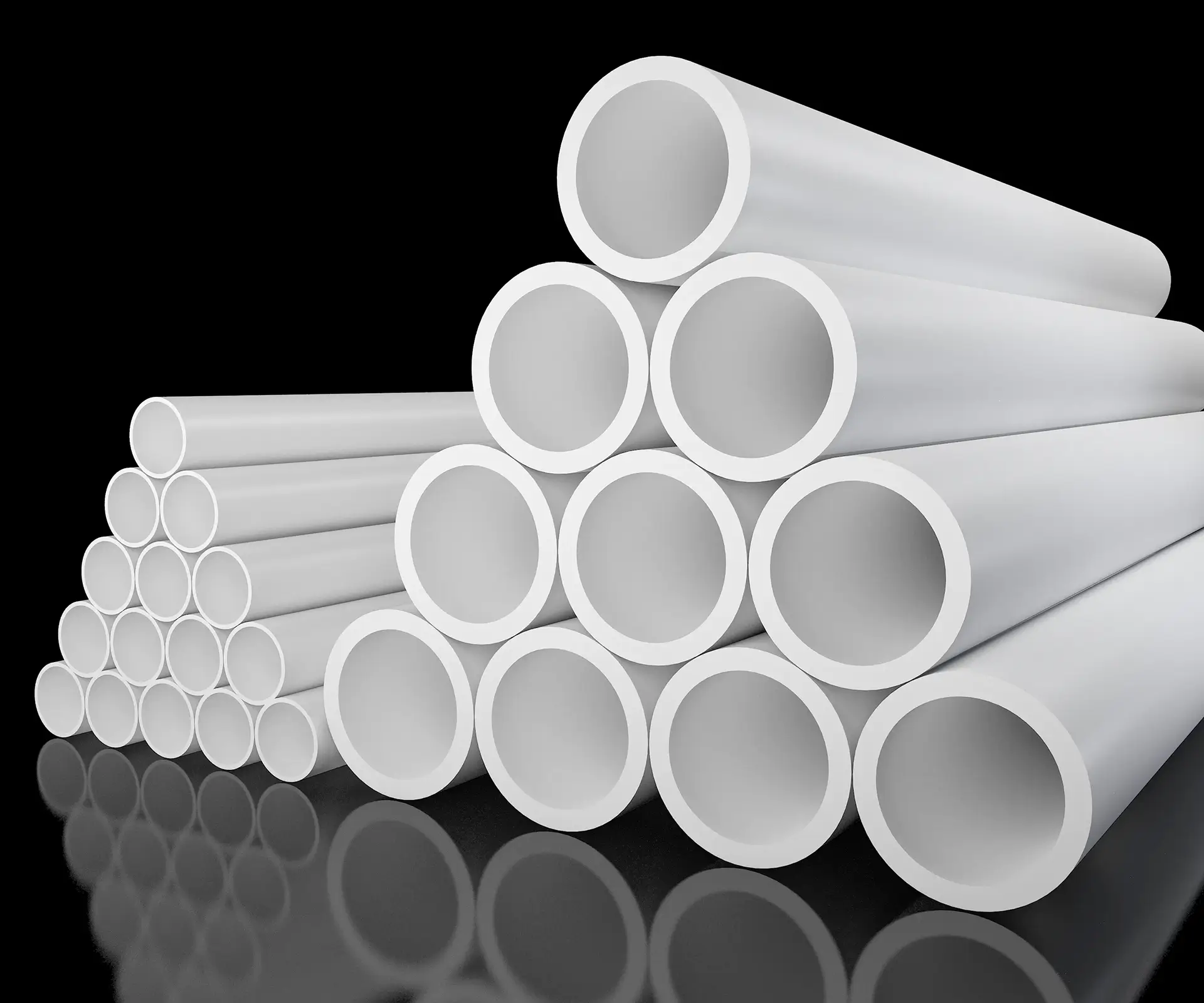
1.Rigid PVC (UPVC) – Hard, flame‑resistant. Used in pipes, window frames, and electrical conduits.
2.Flexible PVC (SPVC) – Soft, rubber‑like. Used in raincoats, toys, medical tubing, and artificial leather.
Market Value and Applications of PVC Recycling
Polyvinyl chloride is a major product of the chlor‑alkali industry. The global PVC market is valued at over US$60 billion. China is the world’s largest producer and consumer of PVC, relying mainly on the calcium carbide (coal‑based) route, while overseas facilities typically use the ethylene (petroleum‑based) route.
Rigid PVC (~65% of total consumption)
Building & construction: PVC pipes (drainage, wire conduits), PVC profiles (window frames, plastic‑steel doors), PVC sheets (advertising boards, decorative panels). Electrical: Wire and cable insulation, switches, sockets.
Flexible PVC (~35% of total consumption)
Daily necessities: Raincoats, toys, inflatables, artificial leather (luggage, sofas), automotive dashboard skins. Medical: Infusion tubes, blood bags, respiratory masks (transparent and soft). Industrial: Hoses, sealing strips, conveyor belts.
Specialty PVC
High‑polymerization‑grade PVC and vinyl chloride copolymers are used in premium automotive and medical applications, offering much higher margins than commodity PVC.
Key PVC Recycling Challenges
Recycling polyvinyl chloride plastic is more challenging than recycling PET or HDPE. However, it holds significant environmental and economic importance.
1.Chlorine content – PVC contains chlorine. Incineration releases hydrogen chloride (HCl) and dioxins (carcinogens), limiting both landfilling and incineration.
2.Toxic additives – Flexible PVC often contains phthalate plasticizers and lead/barium stabilizers, raising the cost of chemical recycling.
3.Difficult sorting – PVC is easily confused with PET and PS, requiring near‑infrared (NIR) spectroscopy sorters.
PVC Recycling Methods
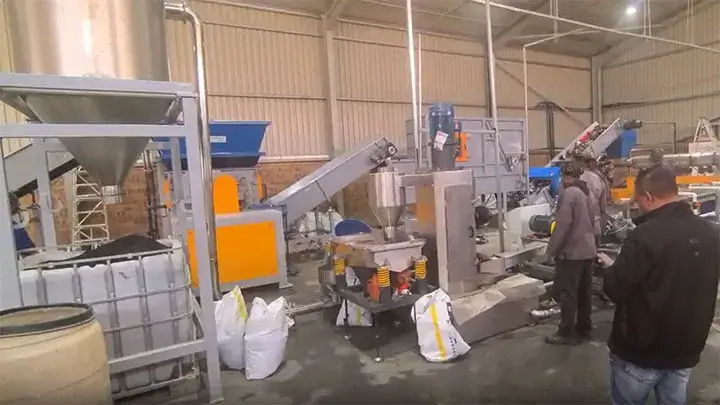
Rigid PVC: Construction waste (pipe offcuts, window frames) is crushed, ground, and re‑pelletized to produce lower‑grade products such as anti‑static flooring, cable trays, and chemical‑resistant containers.
Flexible PVC: Low recycling value because plasticizers have degraded. Small amounts are used for shoe soles or sealing rings.
Solvent extraction: Separates PVC from plasticizers and stabilizers, yielding purified PVC.
Pyrolysis with dechlorination: Converts PVC into oil while removing chlorine. High capital cost; not yet widely deployed.
FAQ of PVC Recycling
Q1: Is PVC the same as PET?
No. PVC is polyvinyl chloride; PET is polyethylene terephthalate. They differ in chemical structure, properties, and recycling codes.
Q2: Can polyvinyl chloride plastic be recycled?
Yes, but it is difficult. Rigid PVC is commonly mechanically recycled. Flexible PVC has low recycling value, and chemical recycling is still developing.
Q3: Why is burning PVC dangerous?
Because PVC contains chlorine, burning produces hydrogen chloride (HCl) and dioxins – highly toxic to both the environment and human health.
Q4: How should consumers dispose of PVC waste properly?
Keep PVC waste separate from PET and PS. Do not burn or litter. Hand it over to certified recycling facilities.
Q5: What are the main uses of PVC?
Building materials (pipes, windows), wire insulation, medical products (infusion tubes, blood bags), toys, and artificial leather.