Total Global E-waste: 34 Mt (34 million tons) in 2010, 62 Mt (62 million tons) in 2022, an estimated 72–73 Mt (72–73 million tons) in 2026, an estimated 82 Mt (82 million tons) in 2030, and an estimated 95 million tons or more in 2035, and over 100 million tons by 2040.
The annual average growth is approximately 2.6 million tons, a rate roughly three times that of GDP growth, making e-waste one of the fastest-growing types of solid waste globally.
E-waste with high recycling value: PCBs, Mobile Phones, Server Equipment, Telecommunications Equipment, Lithium-ion Batteries, Photovoltaic Modules, Computers, Home Appliances, Monitors, Small Appliances, etc.
Types of E-waste Recycling Solutions
Different recycling methods offer varying levels of efficiency, safety, and material recovery. Below are the most common e-waste recycling approaches used today: Mechanical/Physical Recycling, Chemical / Hydrometallurgical Recycling, Pyrometallurgical Recycling.
To better understand how these methods apply to real-world waste streams, here are three specific examples of specialized e-waste recycling solutions:
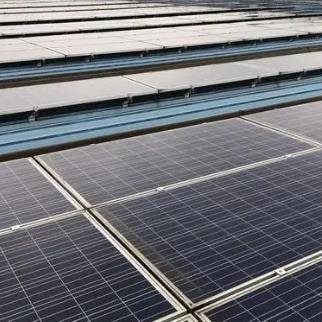
Example 1: Solar Photovoltaic (PV) Panel Recycling
Solar panels have a lifespan of 25–30 years, after which they become a fast-growing e-waste category. A typical PV panel contains glass (∼70%), aluminum frame (∼10%), silicon cells (∼5%), copper wires, and small amounts of silver and tin.
Example 2: Lithium-ion Battery Recycling
Li-ion batteries power EVs, laptops, and phones. They contain cobalt, lithium, nickel, manganese, and copper – all with high supply risk. Improper disposal causes fires and toxic leaks.
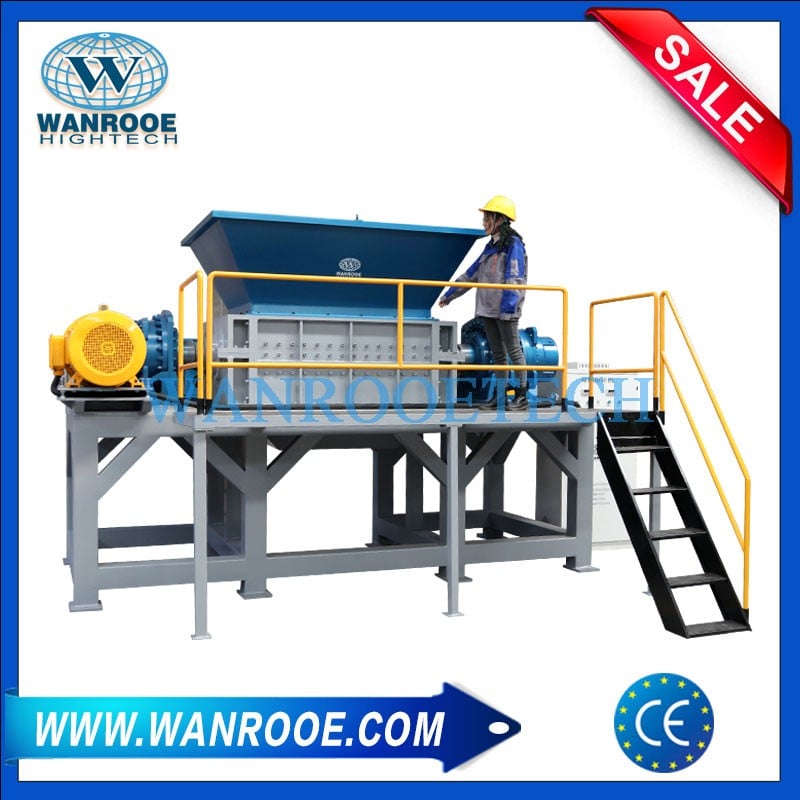
Example 3: Copper-Aluminum Heat Sink Recycling
Heat sinks from computers, LED lights, and power electronics are typically made of aluminum or copper (or copper base with aluminum fins). These metals are high-value and easy to recycle, but often thrown away with mixed e-waste.